You’re driving down the road on a beautiful summer day when suddenly traffic slows down.
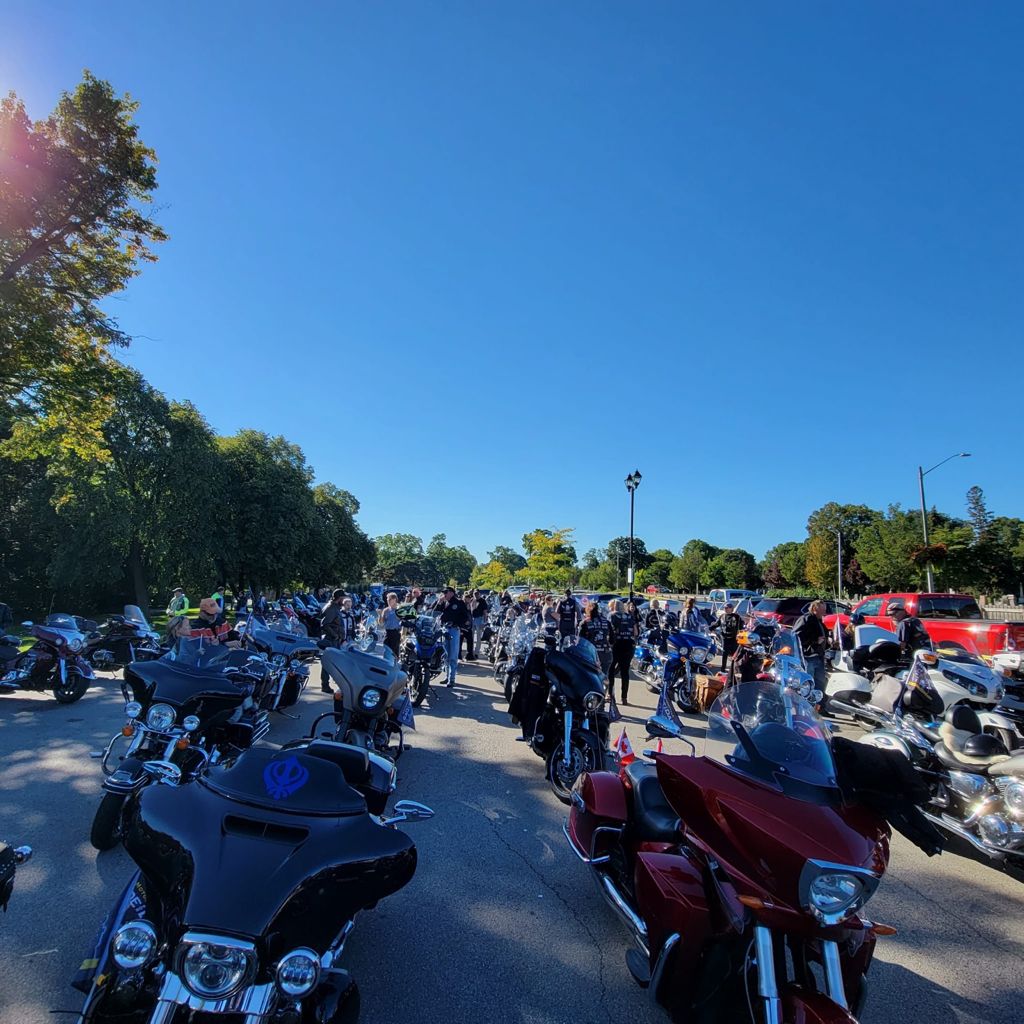
Ahead, you see dozens—or perhaps hundreds—of motorcycles riding together. An intersection is temporarily blocked, a police escort may be present, and the line of bikes seems to go on forever.
Your first thought might be:
“What’s going on?”
Or perhaps:
“Why are they holding up traffic?”
The answer is often much bigger than motorcycles.
What you’re likely witnessing is a motorcycle charity ride—a gathering of riders who have come together to support a cause that matters.
Riding for Something Bigger
Motorcyclists are often associated with freedom, adventure, and the open road. While that’s certainly part of the lifestyle, there is another side of the riding community that many people never see.
Every year, motorcycle groups across Canada organize charity rides to raise money and awareness for causes such as:
- Children’s hospitals
- Cancer research
- Mental health initiatives
- Veterans’ organizations
- Food banks
- Community programs
- Families facing unexpected hardship
For many participants, the ride itself is only part of the event. The real goal is helping someone in need.
Where Does the Money Come From?
A common misconception is that charity rides are simply social gatherings.
In reality, many events raise significant funds through:
- Rider registration fees
- Donations
- Corporate sponsorships
- Raffles
- Silent auctions
- Fundraising campaigns
- Community support
What many people don’t realize is that riders typically pay for their own fuel, meals, accommodations, and motorcycle expenses while also contributing to the charity.
They’re donating both their time and their money.
Why Do the Motorcycles Stay Together?
When drivers encounter a large motorcycle ride, one of the most common questions is:
“Why don’t they just ride separately?”
The answer comes down to safety.
Most organized charity rides have:
- Ride captains
- Safety marshals
- Pre-planned routes
- Rider briefings
- Communication teams
Keeping the group together reduces confusion and helps everyone navigate the route safely.
Imagine trying to manage 200 motorcycles through multiple traffic lights and intersections if the group became separated every few minutes. It would quickly become chaotic and potentially dangerous.
Why Is Traffic Sometimes Stopped?
This is often the part that frustrates motorists.
At certain intersections, traffic may be temporarily held while the group passes through.
While it may seem inconvenient, it is usually done for safety reasons and often lasts only a few minutes.
The goal is not to disrupt traffic. The goal is to keep a large group of riders together and prevent dangerous situations caused by vehicles entering the formation unexpectedly.
Whether managed by police escorts, traffic control volunteers, or ride marshals, the intention is always safety.
What Should Drivers Do?
If you encounter a motorcycle charity ride, a little patience goes a long way.
Here are a few simple tips:
Give the group space
Avoid squeezing between riders or trying to break up the formation.
Follow directions
If police officers or event marshals are directing traffic, follow their instructions.
Be patient
Most delays are brief and temporary.
Stay alert
Large groups can be longer than they first appear.
Remember the purpose
The riders aren’t trying to inconvenience anyone. They’re usually supporting a charitable cause that benefits the community.
The Side of Motorcycling Many People Never See
The motorcycle community is often portrayed through stereotypes.
But charity rides tell a different story.
They show riders volunteering their time.
They show communities coming together.
They show people using their passion for motorcycles to help others.
Behind every motorcycle in that group is a person who chose to spend their day supporting a cause they believe in.
The Next Time You See a Charity Ride
The next time traffic slows and a long line of motorcycles rolls through an intersection, take a moment to consider why they’re there.
That ride may be helping a child receive treatment.
It may be supporting a veteran struggling with life after service.
It may be raising funds for cancer research or helping a family through a difficult time.
What looks like a parade of motorcycles is often something much more meaningful.
It’s a community coming together to make a difference—one mile at a time.