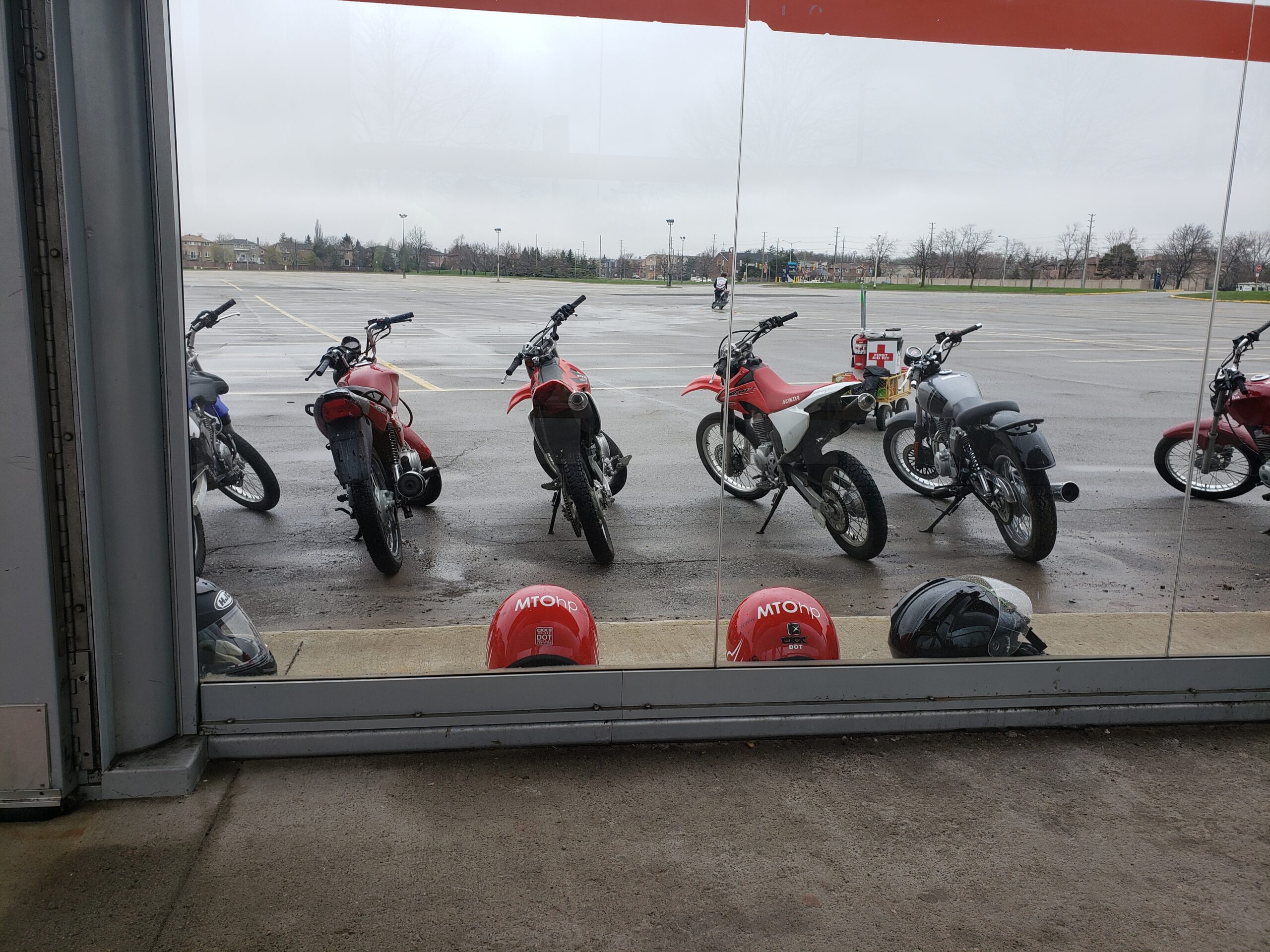
Every experienced rider remembers their first season on a motorcycle.
The excitement of getting your license. The feeling of freedom. The first solo ride. The first road trip. The first time another rider waves at you.
It’s an unforgettable experience.
But if we’re being honest, most of us also made a few mistakes along the way.
The good news is that mistakes are part of learning. The goal isn’t to be perfect. The goal is to learn from those who have already made them.
If you’re new to riding, here are some of the most common beginner mistakes—and how to avoid them.
Thinking Riding Skills End After the Motorcycle Course
Passing a motorcycle safety course is a huge accomplishment, but it’s important to remember that earning your license doesn’t mean you’ve mastered riding.
In reality, it means you’ve learned the fundamentals.
Real learning begins when you start encountering traffic, weather, construction zones, distracted drivers, and all the other situations that come with riding on public roads.
The best riders never stop learning. Every ride teaches something new.
Buying More Motorcycle Than You Need
It’s easy to fall in love with a motorcycle that looks amazing or has impressive performance numbers.
Many new riders assume that bigger is automatically better.
In reality, a motorcycle that feels comfortable and manageable will help you develop confidence much faster than a bike that intimidates you.
There is no shame in starting with a motorcycle that allows you to build your skills gradually.
The goal is to enjoy riding—not struggle with it.
Riding Beyond Your Comfort Zone
One of the biggest traps for new riders is trying to keep up with more experienced friends.
Maybe they’re taking corners faster.
Maybe they’re accelerating harder.
Maybe they’re riding roads you’re not comfortable with yet.
Remember this: every rider develops at their own pace.
The safest speed through a corner is the speed you’re comfortable with.
Ride your own ride.
The people worth riding with will respect that.
Looking Down Instead of Looking Ahead
Motorcycles tend to go where you’re looking.
New riders often focus too much on what’s directly in front of them instead of scanning farther down the road.
The result can be late reactions, poor cornering, and unnecessary panic.
The farther ahead you look, the smoother and more confident your riding becomes.
Your eyes are one of your most important riding tools.
Forgetting That Drivers Don’t Always See You
One of the hardest lessons for new riders is realizing that visibility isn’t the same as being noticed.
You may clearly see a car waiting at an intersection.
That doesn’t mean the driver sees you.
Assume that every vehicle could pull out unexpectedly.
Assume that every driver might change lanes without warning.
Defensive riding isn’t about being paranoid—it’s about being prepared.
Ignoring Weather Conditions
A sunny forecast can quickly become an afternoon thunderstorm.
Cold mornings can turn into hot afternoons.
Strong winds can appear out of nowhere.
New riders often underestimate how much weather affects the riding experience.
Before every ride, check the forecast and prepare for changing conditions.
Being uncomfortable can quickly become dangerous if you’re not dressed appropriately.
Skipping Quality Riding Gear
Many riders spend thousands of dollars on a motorcycle but hesitate when it comes to protective gear.
A good helmet, jacket, gloves, boots, and riding pants aren’t just accessories.
They’re part of your safety system.
No one plans to have an accident.
That’s why it’s called an accident.
Dress for the slide, not just the ride.
Riding While Tired
Motorcycling requires concentration.
When you’re tired, reaction times slow down and decision-making suffers.
A rider who is mentally exhausted can be just as dangerous as a rider who lacks experience.
If you’re feeling fatigued, take a break.
The road will still be there after you’ve rested.
Neglecting Basic Motorcycle Maintenance
You don’t need to be a mechanic to own a motorcycle.
But you should know how to perform basic checks.
Tire pressure, oil level, chain condition, lights, and brakes should become part of your routine.
Many problems can be caught early with a simple walk-around inspection before each ride.
A few minutes of prevention can save a lot of trouble later.
Thinking You’re Better Than You Are
This may be the most dangerous mistake of all.
Many accidents happen not when riders are brand new, but after they’ve gained a little experience and become overly confident.
Confidence is important.
Overconfidence is dangerous.
The best riders understand that there is always more to learn.
They respect the road, the motorcycle, and the risks involved.
Final Thoughts
Every experienced rider was once a beginner.
We’ve all stalled at a traffic light.
We’ve all taken a corner too slowly—or too quickly.
We’ve all made mistakes.
The difference is that experienced riders learn from those mistakes and continue improving.
Motorcycling is a journey that never really ends. Every season brings new experiences, new lessons, and new opportunities to become a better rider.
So if you’re new to riding, don’t worry about being perfect.
Focus on being safe.
Focus on learning.
And most importantly, focus on enjoying the ride.
Because the memories you create on two wheels will stay with you for a lifetime.