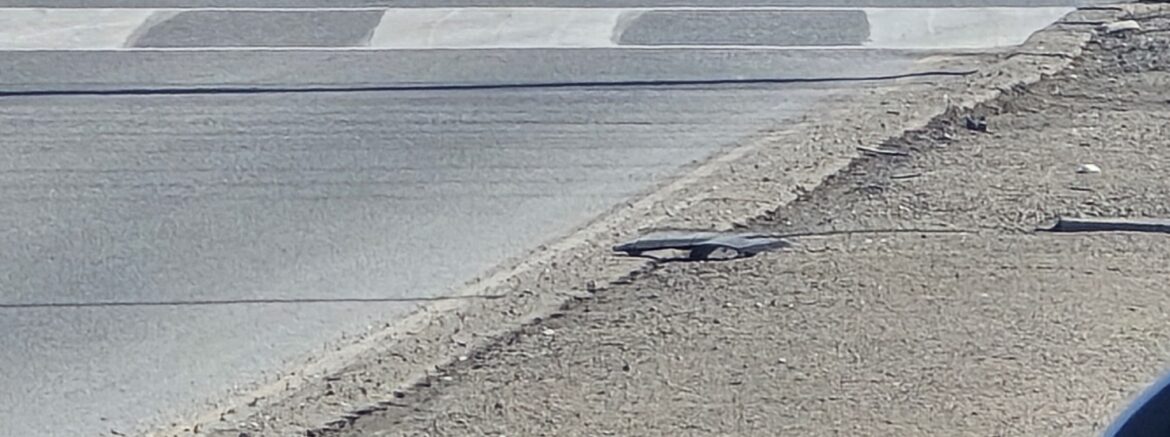
It is tempting to twist the throttle when that first double-digit day hits, but early March riding in Canada is a different beast than May or June. If you were out this week, you likely saw the dry patches of asphalt, but you also saw the white dust and the “river” of meltwater in the gutters.
Here is why you need to stay on high alert during these “teaser” days.
The traction trap of road salt
That white, powdery film on the road isn’t just a mess for your chrome; it is a major traction hazard. Road salt acts like a layer of microscopic ball bearings between your tire and the pavement. When you lean into a corner that looks dry but is covered in salt dust, your tires can lose grip instantly.
Treat every “salted” corner as if it were covered in fine gravel. Avoid aggressive lean angles and keep your braking as vertical as possible until we get a few heavy spring rains to wash the brine away.
The danger of “invisible” ice
With snow banks still melting, the “freeze-thaw” cycle is in full effect. During a sunny 10°C afternoon, the meltwater runs across the road in shaded areas or low spots. As soon as the sun dips or a shadow hits that water, it can flash-freeze into black ice.
Be especially careful under overpasses, on bridge decks, and on north-facing curves where the sun doesn’t reach. If the road looks “shiny,” assume it is slick.
Corrosion is a silent killer
If you rode this week, your bike is currently covered in an electrolyte solution of salt and water. This mixture is incredibly corrosive to aluminum engine cases, radiators, and electrical connectors. Salt doesn’t just sit on the surface; it gets sucked into your brake calipers and chain links.
Do not just park the bike and wait for next weekend. Rinse it thoroughly with cold water (hot water actually accelerates the chemical reaction of the salt). Pay special attention to the “belly” of the bike and the radiator fins.
Drivers have “motorcycle amnesia”
After four months of seeing nothing but cars and snow plows, Ontario drivers have completely lost their “eye” for motorcycles. They aren’t looking for a single headlight; they are looking for two.
Expect every car at a left-turn intersection to pull out in front of you. Use your lane positioning to stay visible, and don’t rely on your horn—rely on your brakes and your escape routes.
Stay safe out there. The real season is close, but we aren’t there quite yet.