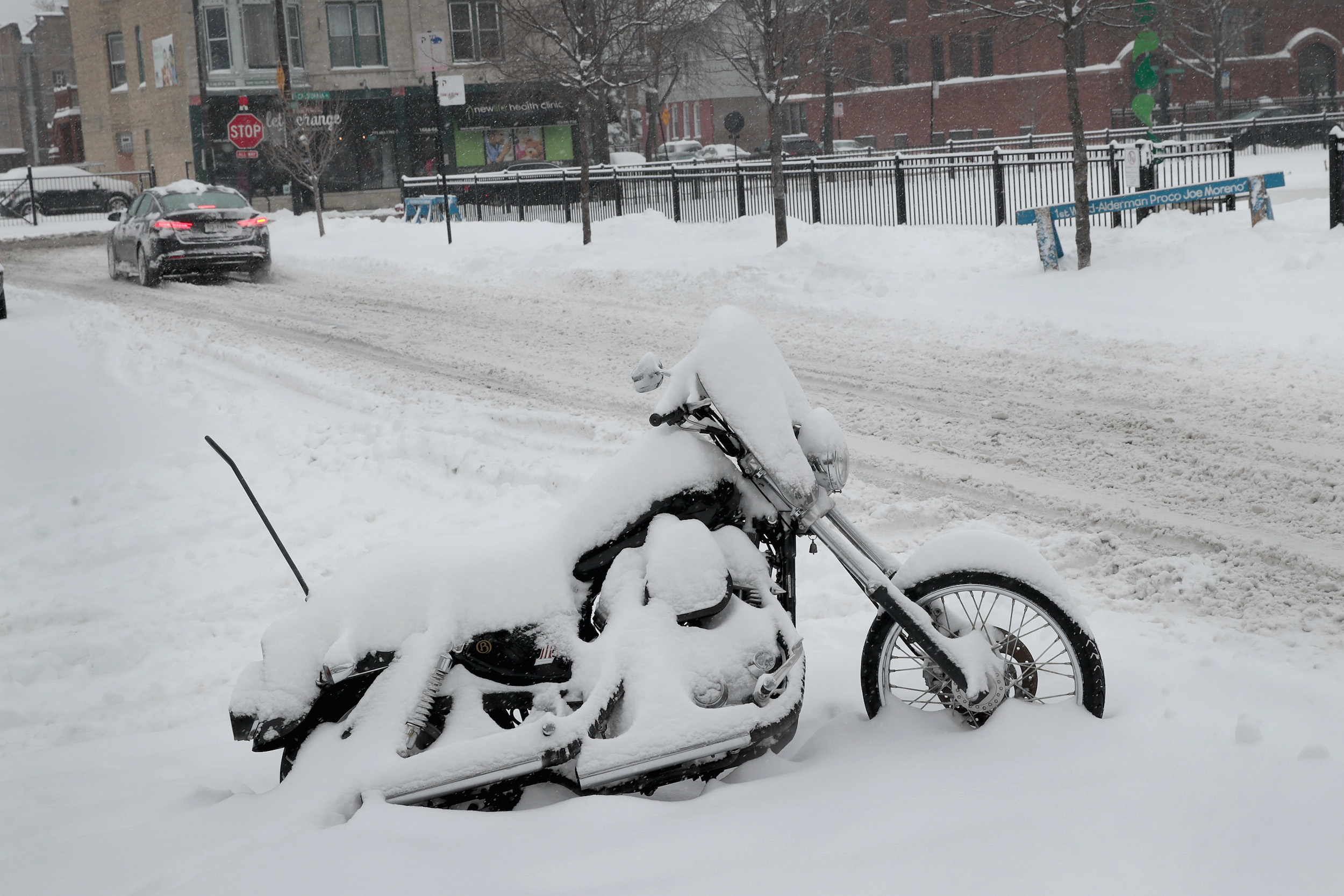
There is a moment near the end of every riding season when we finally admit that it is time.
The temperatures are dropping, the days are getting shorter and the weather forecast is becoming less encouraging. We can still imagine a few more rides, but the practical side of us knows that the season is winding down.
So we pull into the garage, switch off the engine and take one last look at the motorcycle.
It has carried us through another season of journeys, early starts, long afternoons and unexpected detours. It has taken us to familiar places and perhaps introduced us to a few new ones. It has been part of our weekends, our plans and our conversations.
Now it deserves a little attention before winter settles in.
Preparing a motorcycle for storage is not the most exciting job of the year. It does not offer the thrill of a new road or the satisfaction of reaching a destination. But a little care now can help protect the machine and make the return to riding easier when warmer weather arrives.
Think of it as a proper goodbye rather than simply parking the bike and walking away.
Start With a Good Cleaning
Before putting the motorcycle away, give it a thorough clean. Dirt, insects, road grime and other residue can remain on the bodywork and metal surfaces long after the last ride. Cleaning the bike gives you a chance to remove that buildup and inspect areas that may have been overlooked during the season.
Use products appropriate for your motorcycle’s paint, plastics, finishes and other materials. Avoid directing high-pressure water at electrical connections, bearings, seals or other vulnerable components. Once the bike is clean, dry it carefully and check for areas where moisture may remain.
This is also a good opportunity to inspect the motorcycle in decent light. Look for loose fasteners, damaged parts, unusual wear, fluid leaks or anything that deserves attention before the next season. Make a note of problems rather than assuming you will remember them in a few months.
A clean motorcycle is easier to inspect, and it is far more pleasant to see when you open the garage in spring.
Take Care of the Battery
Battery care is one of the most important parts of preparing a motorcycle for a period of inactivity. Cold temperatures and long storage periods can be hard on a battery, particularly if it is already ageing or not fully charged.
Check your owner’s manual for the manufacturer’s recommendations on winter storage and battery maintenance. Depending on the motorcycle and battery type, the appropriate approach may involve disconnecting the battery or using a compatible maintenance charger.
If you use a battery maintainer, make sure it is designed for your particular battery chemistry and that it is used according to the manufacturer’s instructions. A charger that is unsuitable for the battery can cause problems rather than prevent them.
Keep the battery and electrical connections in good condition, and do not assume that a motorcycle will be ready to start simply because it started without trouble on the final ride.
A little attention now can save frustration when the first warm weekend arrives and everyone else is already making plans.
Fuel and Fluids Deserve Attention
Fuel can deteriorate during extended storage, so it is worth checking the recommendations for your motorcycle’s fuel system and expected storage period. Some manufacturers recommend adding an appropriate fuel stabiliser and storing the bike with a particular fuel level. Others may have specific instructions depending on the design of the fuel system.
If a stabiliser is recommended, use a product suitable for the fuel and follow the directions on the label. Adding more than the recommended amount does not make it more effective. Follow the product instructions about running the engine so that treated fuel reaches the relevant parts of the system.
Do not forget the other fluids. Check engine oil, coolant where applicable, brake fluid and any other service items specified by the manufacturer. If maintenance is due, winter can be a convenient time to arrange it rather than waiting until the first ride of the new season.
If you are unsure about a particular procedure, consult the owner’s manual or a qualified technician. Motorcycles differ, and advice that suits one model may not suit another.
Tyres, Brakes and the Things We Cannot See
Tyres are easy to overlook when a motorcycle is going to sit for several months. Before storage, inspect them for damage, unusual wear and anything embedded in the tread. Check the pressures against the manufacturer’s recommendations.
For longer storage periods, consult your manual about tyre care and how to support the motorcycle. Depending on the bike and storage conditions, maintaining correct pressure and periodically changing the tyre’s contact position may be recommended. A suitable stand can help where the motorcycle is designed to be supported that way, but always use equipment appropriate to the machine and follow safe lifting procedures.
Pay attention to the brakes as well. Look for visible signs of damage or leaks and make a note of any change in braking feel experienced during the season. Do not ignore a problem simply because the motorcycle will not be ridden for a while.
Winter storage is not a substitute for maintenance. If something needs attention, arrange to have it checked before riding again.
Choose the Right Place to Store It
A dry, secure and reasonably stable storage environment is ideal. If the motorcycle is stored in a garage, consider the effects of moisture, temperature changes and anything nearby that could fall against it or damage the finish.
A breathable motorcycle cover can help protect against dust, provided the bike is clean and dry before it is covered. Avoid trapping moisture beneath a cover. If the motorcycle is stored outdoors, it needs additional protection from the elements and security risks, and you should follow the manufacturer’s guidance for that type of storage.
Keep the area around the motorcycle clear. Make sure it is stable on its stand or approved support, and avoid storing flammable materials or other hazards carelessly around it.
If rodents are a concern in your storage area, take sensible precautions to protect wiring and other vulnerable components. Check the motorcycle periodically rather than assuming everything is fine simply because it is covered.
The goal is to create conditions that protect the bike without introducing new problems.
Do Not Forget the Small Details
Before closing the garage door for the season, take a few minutes to look at the smaller items that are easy to forget.
Remove personal belongings from luggage and storage compartments. Check that riding gear is clean and dry before putting it away. Inspect gloves, boots, jackets and helmets for wear or damage. If anything needs repair or replacement, make a note of it now.
It can also help to write down the motorcycle’s condition, the date of the last service and any work that should be completed before the first ride. Keep track of parts you intend to replace and maintenance you postponed during the busy season.
These details may not seem important today, but they can make spring preparation much easier.
And if you are the kind of rider who likes to modify or personalise a motorcycle, this is the time to plan carefully. Research compatibility, check installation instructions and decide which projects are genuinely worthwhile. There is no need to rush into purchases simply because the bike is sitting still.
The First Ride of Spring Starts Now
One of the biggest mistakes a rider can make is assuming that winter storage ends the moment the weather improves.
Before riding again, inspect the motorcycle thoroughly. Check tyre pressures and condition, brakes, lights, controls, fluids, the drive system where applicable and any items identified during storage. Confirm that the battery is ready, that nothing has deteriorated or been disturbed, and that all required maintenance has been completed.
If the motorcycle has been sitting for a long time, or you discover a problem you cannot confidently resolve, have it inspected by a qualified technician before riding.
The first ride also deserves a little patience. Roads may still have sand, salt, gravel or damaged surfaces left over from winter. Temperatures can remain low even when the sunshine feels inviting. Tyres and road surfaces may not offer the same grip you remember from a warm summer afternoon.
Give yourself time to become comfortable again. Start with a familiar route, allow extra distance and ride according to the conditions rather than your enthusiasm.
After months of waiting, it is tempting to make that first ride a big one. But the real reward is simply getting back on the road safely.
A Goodbye That Leads to Another Beginning
Putting a motorcycle away for winter can feel like closing a chapter. The garage becomes quieter, the riding gear stays on the shelf and the weekend routine changes.
But this is not the end of the story.
The motorcycle will be waiting when the conditions are right again, and the roads will still be there. There will be new places to discover, old favourites to revisit and more memories to make with the people who share the same passion.
Taking care of the bike now is one way of respecting all the rides it has given you. It is a small investment in the next season and a reminder that enjoying motorcycling also means looking after the machine that makes it possible.
So clean it, inspect it, prepare it properly and give it the attention it deserves. Follow the guidance for your particular motorcycle rather than relying on a one-size-fits-all checklist.
Then close the garage door knowing you have done your part.
Winter can arrive when it is ready.
Spring will come soon enough.
The Conversation Continues
What is your end-of-season routine? Do you prepare your motorcycle for winter yourself, take it to a shop or follow a checklist that has worked for years? Have you picked up any useful storage tips along the way?
Share your experience with the 2Wheelers.ca community. Your advice could help another rider protect their motorcycle and be ready for the first good ride of spring.
Every road has a destination. Every destination has a story. We’ll see you on the next road.
Image: https://www.motorbiscuit.com/wp-content/uploads/2021/10/motorcycle-winter-cover.jpg