Canadian Motorcycle Laws by Province: What Riders Need to Know
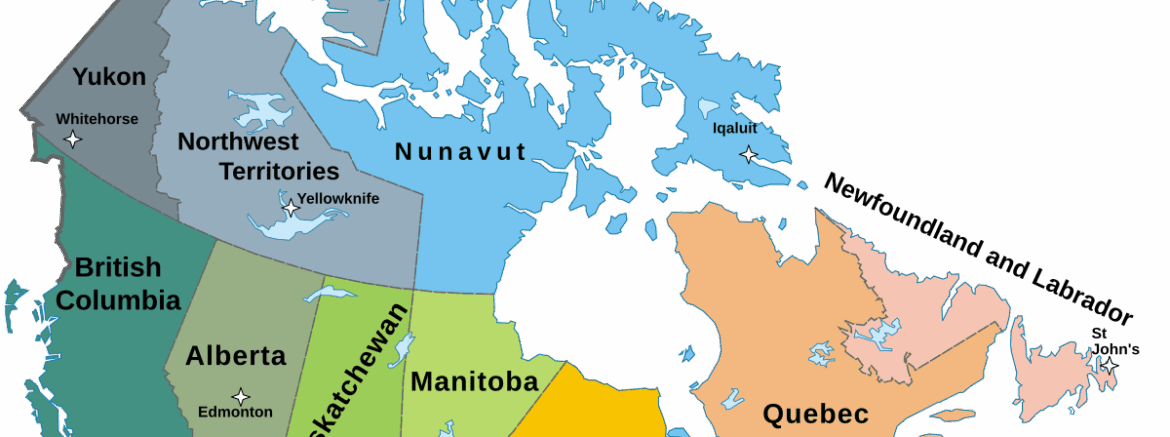
Motorcycle regulations in Canada are governed at the provincial level—meaning rules vary from British Columbia to Quebec, Alberta to Nova Scotia. Whether you’re a seasoned rider or a weekend commuter, knowing your province’s laws can save you time, money, and—most importantly—enhance your safety.
Helmet Laws & Religious Exemptions
Universal Requirement:
All Canadian provinces and territories mandate that motorcycle riders and passengers wear certified helmets. Common standards include DOT, Snell, ECE, and CSA, depending on the province (Hardbacon, Pack Up and Ride).
Religious Exemptions:
Several provinces—including Alberta, British Columbia, Ontario, and Manitoba—offer helmet exemptions for Sikhs wearing turbans (Wikipedia, LawShun). Moreover, Ontario formalized this exemption as recently as October 2024 (LawShun).
Licensing Basics
- Alberta: Requires a Class 6 license for motorcycles, which involves passing both written and road exams. Beginners often start with a Class 7 learner’s permit and must ride for at least two years without infractions to graduate (Grover Law Firm).
- Quebec: Riders go through the SAAQ certification process—beginning with a computer exam, followed by closed-circuit and on-road training—before obtaining a 6A (apprentice) license (Reddit).
- Mopeds / Limited-Speed Motorcycles:
- In Alberta, mopeds (≤49 cc, ≤70 km/h) now only require a Class 7 license (Wikipedia).
- In British Columbia, “limited-speed motorcycles” (≤50 cc or 1.5 kW, ≤70 km/h, ≤95 kg) must be registered, insured, and operated by licensed riders—but are not permitted in bike lanes or non-motor-vehicle zones (Government of British Columbia, Wikipedia).
Lane Filtering / Splitting: Still Mostly Outlawed
General Rule: Lane filtering (crawling between stopped traffic) and lane splitting (weaving between moving traffic) are generally illegal across most provinces.
- According to a recent comprehensive review, lane splitting is not permitted federally or in most provinces including Ontario, Alberta, British Columbia, Quebec, and Nova Scotia (LegalClarity).
- Ontario explicitly considers it illegal — the Highway Traffic Act doesn’t mention it, and riders are expected to remain within their own lane (LegalClarity, Reddit).
- Alberta law prohibits both lane splitting and filtering; only staggered riding in formation is allowed (LegalClarity, BrokerLink).
- British Columbia also prohibits lane filtering, though enforcement can be inconsistent (LegalClarity, Motor Bike Passion).
- Quebec and Nova Scotia also ban both practices (LegalClarity).
“They can slap other charges on you like careless driving.” —A Canadian rider, noting that even without explicit laws, riders practicing filtering may be cited under broader traffic offenses (Reddit).
Stunt Driving & Aggressive Riding
Some provinces have specific regulations against stunts like wheelies or donuts:
- Ontario: Has strict “stunt driving” laws. Riding more than 50 km/h over the speed limit—or doing stunts—carries harsh penalties including 30-day licence suspension, 14-day impoundment, substantial fines ($2,000–$10,000), and demerit points (Canada Moto Guide).
- Manitoba: Doesn’t use the same label but applies “careless driving” laws, which can impose fines up to $5,000 and license suspension up to a year (Canada Moto Guide).
E-Bike Regulations (for Context)
Although not strictly about motorcycles, these rules are helpful as many two-wheeler enthusiasts ride e-bikes:
- In Alberta, e-bikes (≤500 W, ≤32 km/h) require riders to be 12+, wear a motorcycle-standard helmet, but no license, insurance, or registration is needed (Wikipedia).
- British Columbia considers e-bikes “motor-assisted cycles,” with separate rules different than mopeds (Wikipedia).
- Quebec, Nova Scotia, and others have similar e-bike frameworks tied to federal definitions—but helmet rules vary, especially for younger riders (Wikipedia).
Quick Province-by-Province Summary
| Province | Helmet Law | Religious Helmet Exemption | Lane Filtering/Splitting | Licensing Notes | Stunting Laws |
|---|---|---|---|---|---|
| British Columbia | Mandatory | Yes (Sikh) | Illegal | Class 6; LSMs require license & insurance | — |
| Alberta | Mandatory | Yes (Sikh) | Illegal | Class 6 required; mopeds use Class 7 | Stunts = careless driving |
| Ontario | Mandatory | Yes (Sikh, since 2024) | Illegal | Standard motorcycle licensing | Very strict penalties |
| Quebec | Mandatory | Not specified | Illegal | 6R → 6A via SAAQ process | — |
| Manitoba | Mandatory | Yes (Sikh) | Likely illegal | — | Careless driving applies |
| Nova Scotia, Others | Mandatory | Varies | Illegal | — | — |
Final Thoughts
If you ride across Canadian provinces—or even just commute within one—being informed about the specific laws that affect helmet usage, licensing, and permissible behaviors can help you stay safe and compliant. Particularly keep an eye on:
- Religious exemptions that may apply to you
- Licensing requirements for your vehicle class
- Strong restrictions against any form of lane filtering or splitting
- Tough penalties for stunt riding or careless behaviors